Introduction
In the busy digital world we occupy, where images flash before our eyes at warp speed, the importance of aesthetic photography ends up being paramount. Incorporating nature into aesthetic photos to print not only improves the visual appeal however also welcomes audiences into a realm of harmony and reflection. This short article digs deep into the artistry of recording nature in photography, exploring different designs like Fine Art Photography, Aesthetic Self-Portrait Photography, and Contemplative Photography. We'll navigate through techniques, inspirations, and practical ideas to assist you create spectacular prints that resonate with feeling and beauty.
Incorporating Nature into Aesthetic Photos to Print
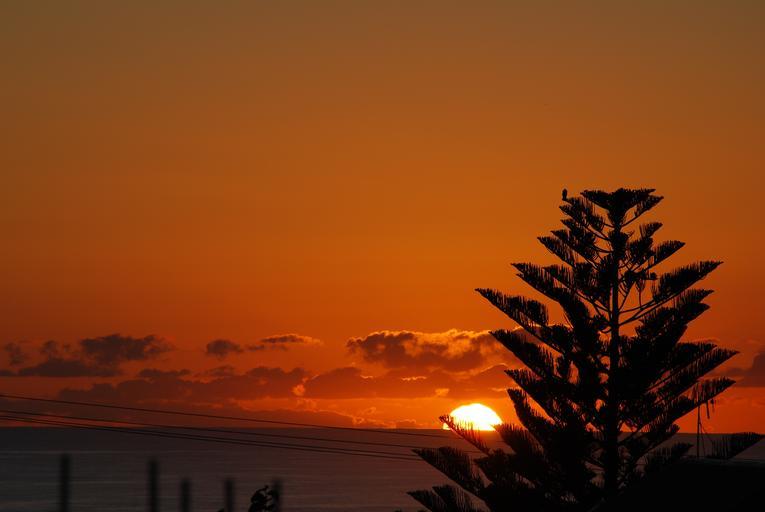
Nature has a distinct ability to stimulate emotions and carry us to tranquil landscapes. Whether it's a lively sunset, a tranquil forest scene, or fragile wildflowers swaying in the breeze, integrating these aspects can substantially raise your photographic work.

What is Aesthetic Photography?
Aesthetic photography concentrates on creating visually pleasing images that evoke emotional responses. The objective is not just to record topics reasonably but to imbue them with charm and creative style. By including natural components-- like rich plant or remarkable skies-- photographers can produce compositions that resonate deeply with viewers.
The Role of Nature in Art Photography
Fine Art Photography transcends easy representation; it's about expressing a concept or feeling through carefully made up images. Nature offers an endless canvas for exploration. From the play of light filtering through delegates reflections on still water, natural settings offer abundant opportunities for professional photographers intending to produce thought-provoking pieces.
Exploring Visual Self-Portrait Photography
Self-portrait photography has progressed from simple selfies to a profound means of self-expression. Integrating nature into this genre adds layers of meaning and context.
Understanding Self-Portrait Photography Meaning
At its core, self-portrait photography has to do with self-questioning and identity expedition. By setting oneself against a natural background-- a blooming garden or rugged mountain-- you can communicate emotions that mirror your inner landscape.
Tips for Capturing Stunning Self-Portraits Outdoors
Choose Your Environment Wisely: Select places that resonate with you personally. Play with Natural Light: Golden hour (simply after sunrise or before sundown) provides soft lighting that improves skin tones. Experiment with Angles: Do not be afraid to attempt different viewpoints; in some cases a low angle can dramatically alter composition. Integrate Props: Natural elements like flowers or leaves can function as props that include depth to your photos.Contemplative Photography: Finding Peace Through Imagery
Contemplative photography encourages mindfulness and presence in the minute while taking photos-- ideal for catching nature's tranquil beauty.
What is Reflective Photography?
This design emphasizes observation without judgment, permitting professional photographers to link deeply with their environment. It transforms the act of photographing from simply recording a scene into an experience filled with awareness and appreciation.
Practicing Mindfulness While Shooting in Nature
Take Time: Before shooting, spend time just observing your surroundings. Breathe Deeply: Ground yourself by concentrating on your breath; it improves clearness in your work. Limit Distractions: Detach from innovation during shoots; it allows you to immerse totally in nature's beauty.Faceless Self-Portraits: Highlighting Environment Over Identity
Faceless self-portraits shift focus from identity to environment, making nature an important part of the story https://purethoughts980.bearsfanteamshop.com/art-inspired-room-transformations-for-a-fresh-look told through imagery.
Creating Faceless Self-Portraits in Natural Settings
Body Language: Usage gestures that communicate emotion without showing your face. Silhouettes Against Landscapes: Position yourself against sensational backdrops at sundown for striking silhouettes. Incorporate Aspects of Nature: Utilize branches or flowers as framing devices around your body.The Allure of Vintage Aesthetic Photography
Vintage visual photography harkens back to simpler times, typically defined by warm tones and nostalgic compositions.
How to Record Vintage Aesthetic Photos Outdoors
Use Filters or Modifying Software: Apply sepia tones or grain impacts throughout post-processing. Natural Textures: Search for aged surface areas like rustic fences or weathered stones that boost the vintage feel. Soft Focus Techniques: Produce dreamy images by purposefully soft-focusing certain components while keeping others crisp.Aesthetic Pictures to Place on Your Wall
When selecting pictures for print, think about how they will improve your home's atmosphere.
Choosing the Right Images for Home Decor
Theme Consistency: Pick photos that share color combinations or styles-- such as tranquil landscapes-- to develop harmony. Scale Matters: Big prints make bold declarations; smaller images can be grouped together for impact. Framing Options: Pick frames that match both the picture and your interior decoration style.FAQs About Integrating Nature into Aesthetic Photos
1. What techniques help accomplish gorgeous visual photos?
To achieve beautiful aesthetic photos, concentrate on lighting conditions like golden hour lighting, use leading lines within natural scenes, and check out different point of views-- including aerial shots if possible.
2. How do I start with self-portrait photography?
Begin by explore various settings outdoors where you feel comfortable; practice various positions till you find what feels authentic while making sure excellent lighting conditions are met.
3. Can I utilize my smartphone for art photography?
Absolutely! Lots of mobile phones today have exceptional video camera abilities; make use of modifying apps post-shooting for improved results akin to traditional art photographs!
4. What devices needs to I purchase for major aesthetic photography?
Consider investing in a quality DSLR or mirrorless video camera along with flexible lenses (50mm prime is great), tripods for stability during shots at dusk/dawn times & & external flashes if shooting indoors!
5. How crucial is structure when taking outside photos?
Composition plays a vital role-- it guides viewer's eyes throughout the image! Strategies such as rule-of-thirds & & framing positively impact total aesthetic appeals significantly!
6. Do I need expert editing software?
While optional initially given that many totally free alternatives exist online-- investing in the future Adobe Lightroom/Photoshop opens limitless creative possibilities boosting final results immensely!
Conclusion
Incorporating nature into aesthetic photos not just enriches our portfolios but also connects us more exceptionally with our environments and feelings-- the ideal blend between artistry and environment produces captivating stories worthwhile of being printed on walls all over! As we accept numerous designs-- from Art Photography through Reflective approaches-- we discover new ways to reveal ourselves while welcoming viewers into our peaceful worlds filled with breathtaking beauty found just outdoors! By understanding methods shared here-- from faceless pictures highlighting environments perfectly-- to vintage aesthetics stimulating nostalgia-- we empower ourselves as artists prepared go beyond mere documentation crafting timeless works deserving admiration long after they've been captured!